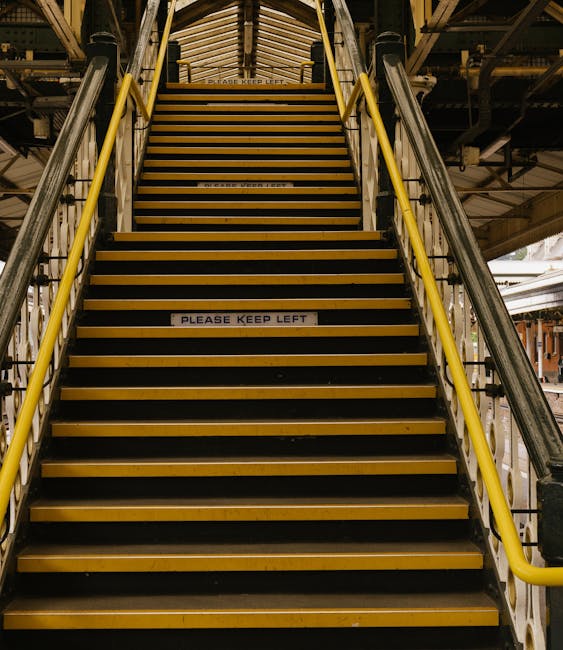
North Dulwich station furniture removals access guide
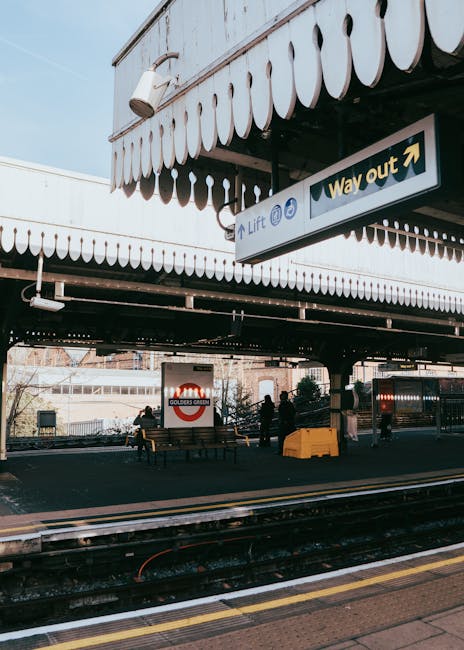
If you are planning a furniture move near North Dulwich station, a bit of access planning can save a lot of sweat, time, and awkward reverse manoeuvres. The North Dulwich station furniture removals access guide below is designed for people moving bulky items in a real-world London setting: tight residential streets, limited stopping space, narrow doorways, and the occasional surprise like a parked car blocking the neatest route. Truth be told, that is where most delays happen, not in the heavy lifting itself.
This guide explains how station-area furniture removals usually work, what to check before move day, and how to reduce risk when you are dealing with sofas, wardrobes, beds, desks, or awkward one-piece items. It also covers practical planning, local-style access issues, and the best service options if you need help from a team that understands house moves, flat removals, and careful furniture handling.
For wider planning support, you may also find our pages on furniture removals, man and van, and packing and boxes useful when you are lining everything up before the day.
Why North Dulwich station furniture removals access guide matters
Access is the difference between a smooth move and a stressful one. Around a station like North Dulwich, the surrounding roads can be busy at the wrong moment, parking can be tight, and a seemingly simple sofa move can become a puzzle of timing, angles, and patience. If you are moving furniture from a house, flat, or office nearby, you need to know where the vehicle can stop, how far items must be carried, and whether the route includes steps, narrow hallways, or low ceilings.
That matters for three reasons. First, safety: heavy furniture on uneven pavements or down cramped stairs is not where you want to improvise. Second, efficiency: a good access plan keeps the crew moving instead of waiting around. Third, cost control: the easier the access, the less likely the move will stretch out longer than expected. That is especially relevant for anyone comparing removal services or deciding whether a smaller vehicle, such as a removal van, is enough.
In our experience, people often think the furniture itself is the main challenge. It rarely is. The real issues are access, timing, and who is available to help at the moment you need to turn a mattress through a tight landing. A little planning goes a long way. A very long way, actually.
How North Dulwich station furniture removals access guide works
At a practical level, the access guide is a simple way of mapping how your furniture move will happen from start to finish. You look at the collection point, the walking route, the vehicle stopping position, and the destination entrance. Then you check what might slow things down: stairs, parked cars, restricted driveways, tricky corners, entry codes, shared hallways, or items that need dismantling before they will fit through a door.
For a station-area move, the process usually works like this:
- Confirm the exact pickup and drop-off addresses.
- Identify whether the item can be carried straight out or needs partial dismantling.
- Check for any parking, loading, or waiting restrictions near the property.
- Decide what size vehicle is appropriate for the job.
- Protect floors, walls, and furniture before the first lift.
- Load in a sequence that avoids rehandling items more than necessary.
If you are moving from a flat, it is often worth reviewing flat removals guidance, because staircases and shared entrances introduce their own little surprises. For house-to-house moves, house removals or home moves pages can also help you think through the bigger picture.
The important thing is that access planning is not guesswork. You are matching the size of the furniture to the physical route available. Sounds obvious, but people skip it all the time.
Key benefits and practical advantages
A proper access guide brings real benefits, not just peace of mind.
- Less damage risk: you reduce the chance of scratched banisters, chipped walls, cracked lamp frames, or torn upholstery.
- Faster loading and unloading: a clear route means fewer stops, fewer awkward turns, and fewer moments where everyone silently rethinks the plan.
- Better vehicle choice: knowing access details helps you choose between a man with van arrangement, a larger moving truck, or a mixed setup.
- Lower stress: when the route is already worked out, the day feels calmer. You will notice the difference immediately.
- More accurate pricing: a move with straightforward access usually needs less time and fewer adjustments than one with unknown obstacles.
There is also a practical advantage for people dealing with individual items rather than a full household. A single dining table, an antique cabinet, or a heavy wardrobe can be arranged through furniture pick up or a more tailored move without booking a full-scale operation. That is often the smarter choice, and often the cheaper one too.
Expert summary: if the access is simple, the move is usually simple. If the access is unclear, everything else becomes harder than it needs to be. Measure first. Guess later, if at all.
Who this is for and when it makes sense
This guide is useful for a wide mix of people, not just one type of move.
- Homeowners replacing furniture and needing old items removed.
- Tenants leaving a flat near the station and needing a quick, tidy clearance.
- Families moving larger items between nearby streets.
- Small businesses relocating desks, shelving, or stock.
- Students moving furniture into or out of rented rooms or compact flats.
- Anyone with an awkward or heavy item that will not just "fit in the car".
It is especially relevant if you are comparing removal companies and want to understand whether your job really needs a full crew or whether a simpler solution is enough. For smaller jobs, a man and van approach can be perfectly sensible. For bigger or more complex jobs, a broader removals service may be more suitable.
It also makes sense when you want to avoid last-minute scrambling. If you have ever stood in a hallway with a sofa that clearly had bigger ideas than the door, you already know why planning matters.
Step-by-step guidance
Here is a clear way to prepare for furniture removals access near North Dulwich station.
1) Walk the route before move day
Start at the item's current location and walk the exact path it will need to take out of the property. Look at door widths, corners, stair turns, ceiling height, and any tight spaces around radiators, light fittings, or handrails. If you can, do the same at the destination. A route that looks fine in your head may become much less fine when a wardrobe is halfway through it.
2) Measure the big items properly
Measure height, width, and depth of anything awkward: wardrobes, mattresses, headboards, sofas, bookcases, and beds. Then measure the narrowest points on the route. The item must pass the smallest space, not the largest one. Small detail, huge difference.
3) Check vehicle access and stopping space
Think about where the vehicle can safely pause to load or unload. Is there a workable place close to the entrance? Are there restrictions nearby? Is there room for a van door to open fully without blocking traffic or a walkway? If the answer is uncertain, plan for more carrying distance and a longer loading window.
4) Decide what needs dismantling
Some furniture moves better in pieces. Bed frames, table legs, and modular shelving often travel more safely when partially dismantled. Keep fixings in clearly labelled bags, and do not assume every screw is identical. They never are. At least one will try to disappear.
5) Protect the property
Use floor coverings, corner protection, and furniture blankets where appropriate. This is especially worthwhile on shared hallways, polished floors, or narrow stairwells. A small prevention step can save a much bigger headache later.
6) Load in the right order
Start with the bulkiest items that are least likely to fit around smaller boxes later. Place fragile items so they are not crushed. Keep access items, like door keys, entry codes, and contact numbers, within easy reach. It sounds basic. It is. But basic done well is what makes a removal day feel professional.
7) Leave a margin for delay
Station-area moves can be affected by traffic, parking, and people coming and going. Build in a little breathing room so a ten-minute delay does not throw the entire day off. That one bit of slack can feel like gold at 4 p.m.
Expert tips for better results
Here are the sorts of practical tips that save time on the day, and occasionally save a sofa.
- Use photos, not just descriptions. A quick photo of the entrance, stairwell, or parking situation can be more useful than a long message.
- Keep hardware together. Put screws, brackets, and shelves in one labelled bag per item.
- Wrap sharp or delicate edges. Old wooden furniture can chip faster than people expect.
- Measure the turning points. The problem is often the corner, not the doorway.
- Clear the route before anyone arrives. Shoes, plant pots, bike locks, and loose boxes are small, but they add up.
- Choose the right service level. If the move includes packing support, packing and unpacking services can take the pressure off, especially for mixed household items.
One thing we see repeatedly: people underestimate the value of simple prep. A hallway cleared the night before can make the whole job feel lighter. Not glamorous. Very effective.
If your move is time-sensitive, you may also want to look at same day removals options. That kind of arrangement only works well when access details are clear from the start, though. No surprises, ideally.
Common mistakes to avoid
Most access problems are avoidable. The same few mistakes turn up again and again.
- Not measuring properly. "It should fit" is not a plan.
- Forgetting about stairs and turns. A mattress may fit vertically but fail on the stair landing.
- Ignoring parking restrictions. The vehicle may be nearby on paper and miles away in practice.
- Leaving dismantling until the crew arrives. That eats into time and raises pressure.
- Not checking building access. Entry codes, porters, timed access, and shared doorways matter more than people think.
- Assuming all furniture is handled the same way. A piano, for example, needs a very different approach from a coffee table.
That last point is worth pausing on. If your move includes a grand or upright instrument, specialised piano removals support is the safer path. Pianos are heavy, awkward, and unforgiving if handled casually. Best not to wing it.
Another quiet mistake is overpacking boxes so the moving route becomes cluttered. If you are combining furniture with household goods, a sensible packaging plan helps. Heavier items in stronger boxes, lighter items elsewhere, and nothing stacked in the path unless you want a frustrating shuffle on the morning of the move.
Tools, resources and recommendations
You do not need fancy equipment to plan a furniture move well, but a few basic tools help a lot.
- Tape measure: essential for doorways, furniture dimensions, and stair clearances.
- Phone camera: useful for documenting access, stairs, parking spots, and any awkward corners.
- Labels and marker pens: keep dismantled parts and packed items organised.
- Furniture blankets and straps: valuable for protecting items in transit.
- Protective coverings: helpful for floors, banisters, and thresholds.
- Packaging materials: if your move includes books, dishes, or loose items, the right packing and boxes setup keeps everything calmer.
From a service-planning point of view, it is also worth thinking about whether you need short-term holding space. If the destination is not ready, or you are waiting on keys, storage can be a helpful buffer. That is one of those options people often forget until the last minute.
For a larger overall job, a dedicated removal van or a bigger truck may be the better fit depending on volume, item size, and parking access. The right vehicle is not the biggest one. It is the one that matches the job cleanly.
Law, compliance, standards, and best practice
Furniture removals are not just about lifting; they are also about working safely and responsibly. In the UK, good practice usually means reducing risk to people, property, and the public. That includes safe manual handling, sensible loading, clear communication, and making sure the job does not create avoidable hazards on pavements or roadways.
For a station-area move, that matters because loading often takes place near shared access points. You should avoid blocking footpaths, placing items where they could trip someone, or carrying loads in a way that makes the route unsafe. It is also wise to check any building rules that apply to access times or shared entrances, particularly in flats and managed properties.
Professional standards usually also include insurance awareness. If you are hiring help, it is reasonable to ask about the handling of items, the protection used for furniture, and how damage concerns are managed. A company with clear policies around safety and moving practice is usually a better bet than one that shrugs and says, "we'll be fine."
For peace of mind, you may want to review the company's insurance and safety information, along with the health and safety policy. If you are comparing service providers, it can also help to understand their terms and conditions and how payments are handled through payment and security.
None of this needs to feel formal or intimidating. It is simply the sensible side of moving day. Careful work, clear expectations, fewer surprises.
Options, methods, and comparison table
Different moves need different approaches. Here is a simple comparison to help you choose.
| Option | Best for | Strengths | Watch-outs |
|---|---|---|---|
| Man and van | Small to medium furniture moves, flexible access, quick local jobs | Agile, good for tight streets, usually cost-effective | May be less suitable for very large loads or multiple bulky items |
| Removal van | Single-property furniture removals with moderate volume | Practical balance of space and manoeuvrability | Still needs clear loading space and route planning |
| Moving truck | Larger household moves or bigger furniture volumes | More capacity, better for fuller loads | Can be harder to position near restricted streets or tight entrances |
| Full removals service | Complex or multi-item moves, flats, houses, mixed contents | Broader support, packing help, better for complex logistics | Usually unnecessary for very small jobs |
If you are deciding between options, think first about access, then volume, then timing. People often start with price, which is understandable, but the cheapest option is not always the one that fits the route best. And when furniture does not fit, the "cheap" choice suddenly doesn't feel cheap anymore.
For commercial or office-related furniture, look at office removals or commercial moves if the job includes desks, chairs, storage units, or meeting-room furniture. The access logic is the same, but the operational expectations are a little different.
Case study or real-world example
Here is a realistic example from the kind of move that comes up around station-side residential streets.
A household needed to move a three-seater sofa, a bed frame, two wardrobes, and a heavy sideboard from a first-floor flat not far from North Dulwich station. The road space outside the property was limited, and the entrance had a narrow internal turn at the bottom of the stairs. On paper, it looked manageable. In practice, the sofa could not take the corner unless it was tilted and carried in a very specific way.
The solution was simple but effective:
- The crew inspected the route before lifting anything.
- The bed frame and wardrobes were dismantled first.
- Protective coverings were placed on the stair edges.
- The vehicle was positioned as close as possible without blocking access.
- The sofa was taken last, once the route was clear and everyone could focus on the tricky turn.
The move worked because the access was planned in advance. Not because anyone got lucky. That is the real point here. Good removals often look "easy" from the outside because someone already did the thinking. That invisible part matters.
Practical checklist
Use this checklist before your furniture removal near North Dulwich station.
- Measure all large items, including height, width, and depth.
- Check staircases, landings, lifts, and tight corners.
- Confirm where the vehicle can stop or wait safely.
- Review parking or loading restrictions for the day.
- Arrange dismantling tools and labelled bags for fixings.
- Clear hallways, entrances, and steps before the crew arrives.
- Protect floors, walls, and banisters if needed.
- Separate fragile items from heavy furniture.
- Keep keys, codes, and contact details ready.
- Decide whether you need storage, packing support, or a larger vehicle.
- Check the company's safety, insurance, pricing, and terms pages in advance.
If you are still comparing options, a look at pricing and quotes can help you understand what will be included before you commit. That bit alone can save a lot of back-and-forth later.
Get a free quote today and see how much you can save.
Conclusion
The best North Dulwich station furniture removals access guide is the one that keeps your move calm, safe, and realistic. Measure the route, check the stopping space, choose the right vehicle, and do not leave awkward details until the last minute. That is the whole game, really.
Whether you are moving one sofa or an entire room of furniture, access planning turns uncertainty into a workable plan. And once that plan is in place, the day feels much lighter. A little less chaos, a little more control. That's a nice place to be.
If you want a local, practical approach to your next move, start with the access details first and everything else gets easier from there. Simple, but true.
Frequently Asked Questions
What is a furniture removals access guide?
It is a practical checklist for understanding how furniture will be collected and delivered safely. It covers route width, stairs, parking, entry points, and the best vehicle for the job.
Why is access so important near North Dulwich station?
Because station-area streets can be busy and space can be limited. A good access plan helps avoid delays, reduces damage risk, and makes loading safer.
Do I need to measure my furniture before booking removals?
Yes, especially for wardrobes, sofas, beds, and other bulky items. Measuring helps you avoid problems at doors, stair turns, and tight corners.
Is a man and van suitable for a furniture move near North Dulwich station?
Often yes, if the job is relatively small or medium-sized and access is manageable. For larger loads or more complex moves, a bigger vehicle or fuller removals service may be better.
What should I do if my flat has narrow stairs?
Measure the staircase and landings, check whether items need dismantling, and make sure the route is clear before moving day. Narrow stairs are manageable with planning, but not with guesswork.
Can furniture be moved without dismantling it?
Sometimes, yes. But larger items often move more safely when partially dismantled. If in doubt, it is usually better to remove legs, shelves, or bed frames where possible.
How do I know what size vehicle I need?
Start with the number and size of items, then look at access. A small load with poor access may still need careful planning, while a larger load with easy access may fit a larger van or truck comfortably.
What if there is nowhere to park close to the property?
Then the carrying distance becomes part of the plan. The move may still work, but it will need more time and clear communication so nobody is caught out.
Should I use storage if the new place is not ready yet?
Yes, storage can be a useful short-term solution if keys are delayed or the destination is not quite ready. It gives you breathing room and reduces pressure on the moving day itself.
Are there safety standards I should ask about?
You should ask about safe lifting, floor protection, furniture protection, and insurance awareness. It is also sensible to check the company's health and safety information before booking.
How far in advance should I plan a furniture move?
As early as you can, especially if access is tight or you need a specific date. Even a quick local move benefits from a bit of lead time.
What if I need to move furniture urgently?
Ask about same-day or short-notice availability as soon as possible. The clearer your access information is, the easier it is to arrange a workable solution quickly.
Can I combine furniture removals with packing help?
Yes, and it is often a smart move when there are mixed household items involved. Packing support can make the whole process smoother and reduce the chance of damage.
Where can I learn more about the company before booking?
It is sensible to read the company's about, safety, pricing, and service pages so you know what to expect. If anything is unclear, ask before the day arrives. A good move starts with clear information, not crossed fingers.