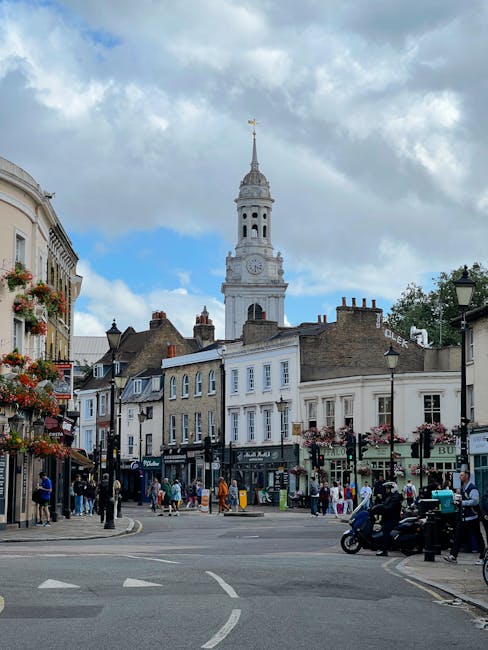
East Dulwich to Dulwich Village short distance removals tips
If you are planning a move from East Dulwich to Dulwich Village, it can feel like the easiest kind of house move on paper. The journey is short, the neighbourhoods are close, and you may even know the roads already. But short distance removals have their own quirks. One awkward parking space, a narrow staircase, or a poorly packed box can make a tiny move feel surprisingly long. These East Dulwich to Dulwich Village short distance removals tips will help you stay organised, reduce stress, and keep the move efficient from start to finish.
In practice, local moves are often won or lost on the details: timing, access, packing quality, and whether you choose the right size vehicle. A small move can still benefit from the same careful planning as a bigger one. The good news? With a clear checklist and a bit of neighbourhood know-how, you can keep the day calm. Let's make it straightforward.
Why East Dulwich to Dulwich Village short distance removals tips Matters
A short move between East Dulwich and Dulwich Village looks simple because the distance is small. But simplicity can be deceptive. When the transport leg is short, the real time is usually spent on loading, access, and reloading. That means the move can still be affected by tight parking, building restrictions, wet weather, or the sort of box that looks light until you lift it. We have all seen that one. The "just a quick move" box that somehow contains half a kitchen.
These tips matter because they help you protect the parts of the move that are easiest to underestimate. If you prepare properly, a short-distance removal can be quicker, cheaper, and much less disruptive than a longer relocation. If you rush it, the short journey becomes a false economy. You may end up paying for extra trips, damage, or time wasted waiting for access to clear.
There is also a local angle. Moving within nearby Dulwich streets often means dealing with residential parking, live traffic, school-run timing, and the practical reality of shared roads. A move that starts at 9:00 a.m. can feel very different from one that starts at 3:00 p.m. on a school day. A little awareness goes a long way.
How East Dulwich to Dulwich Village short distance removals tips Works
Short-distance removals are usually built around efficiency. The moving team arrives with the right vehicle, checks access, protects items, loads systematically, transports everything across the local route, and unloads in the destination property in an organised sequence. In a move from East Dulwich to Dulwich Village, the route itself may only take a short time, but the handling of items still needs to be careful and methodical.
Most problems happen before the van even leaves. For example, if boxes are not labelled, the unloading takes longer. If the sofa will not fit through the doorway, the team may need to rethink the route or remove obstacles. If you have not measured the new hallway or staircase, you may discover the hard way that a wardrobe is no longer your friend. Truth be told, moving day is not the moment for guesswork.
A well-run short move generally follows the same pattern:
- confirm the inventory and approximate volume
- check access at both properties
- plan parking and loading points
- protect furniture and fragile items
- move room by room, or by priority
- finish with a quick check of every area
If you want help with the wider moving process, the service pages for removals, home moves, and flat removals can be useful starting points when you are comparing options.
Key Benefits and Practical Advantages
Short distance removals have some real advantages when they are planned properly. The obvious one is travel time, but that is only part of the picture. A local move can also be more flexible. You may be able to split the move into stages, return for final checks, or move the essentials first and bring the rest later. That is handy if you are juggling work, children, or a lease handover.
Another benefit is cost control. Because the transport leg is short, the main spend is often related to labour time and vehicle use rather than fuel or long driving hours. If you arrive packed and ready, you are in a strong position to keep the job efficient. Nice and simple, really.
Here are the practical wins people usually notice:
- Less travel disruption: you are not spending the day on a long road run.
- More flexibility: there is room for staggered loading or an extra collection.
- Better control of belongings: shorter moves usually make it easier to supervise items.
- Easier same-day completion: ideal if you need to leave one property and settle into another quickly.
- Lower stress when planned well: the move feels smaller, and often it is smaller, but only if you keep it tidy.
When storage is needed between properties, a short move can be even smoother if you use a temporary solution such as storage. That can help if completion timing is messy or the new place is not ready yet.
Who This Is For and When It Makes Sense
This kind of move suits a broad range of people. In East Dulwich and Dulwich Village, it is common for movers to be shifting between flats, family homes, shared houses, or small offices nearby. The move may be local, but the circumstances can be very different.
It makes particular sense if you are:
- moving from a flat to a house, or the other way round
- upgrading to a bigger property without leaving the area
- downsizing and only taking selected furniture
- moving with children and need a staged, calm day
- relocating a student room or a single-person household
- moving a small office or studio workspace
- collecting bulky items that need careful handling
If your move is light and mostly boxes, a smaller vehicle option may be enough. If you have larger furniture, antiques, or a piano, you will want a team that can handle the practical side properly. For larger or more specialised jobs, pages such as man and van, moving truck, and piano removals may be more relevant than a basic van-only arrangement.
Small move, same old pressure. That is usually the honest version of it. A local removal can still feel intense if you are balancing work calls, key collection, and a lift that decides to be slow on the day.
Step-by-Step Guidance
The best short distance moves are the ones that feel boring in the right way. No drama, no last-minute scrambles, no mystery boxes. Here is a practical way to approach the move from East Dulwich to Dulwich Village.
- Sort what is moving and what is not. Separate essentials, keep items for storage, and decide what should be sold, donated, or recycled.
- Measure the new space. Check doors, stairs, landings, and any awkward corners. Measure the larger furniture pieces too.
- Book the right moving support. For a light move, a man with a van style service may be enough. For a fuller home move, use a more complete service such as house removals.
- Pack room by room. Put similar items together and label the box on two sides, not just the top.
- Prepare an essentials bag. Keep chargers, keys, documents, snacks, a kettle, and basic toiletries with you.
- Clear access at both ends. Move bins, bikes, prams, and anything else that blocks doorways or halls.
- Protect surfaces and furniture. Use covers, blankets, and wrapping where needed.
- Load in the right order. Heavy items first, fragile items secure, then lighter boxes around them.
- Do a final property check. Look in cupboards, loft areas, under beds, and behind doors. These little spaces always hide something.
- Unpack the essentials first. Focus on beds, kitchen basics, and anything needed for the first evening.
If you are moving a workplace rather than a home, the same logic still applies, but the priority is often uptime and equipment protection. In that case, office removals or commercial moves may be the more relevant route.
Expert Tips for Better Results
Now for the little things that make a big difference. These are the details that experienced movers tend to care about because they save time and reduce awkward surprises.
1. Time the move carefully
Try to avoid peak congestion, school-run windows, and the busiest parking periods if you can. A move that starts early may finish before the street gets hectic. On the other hand, if your building access only opens later, plan around that rather than trying to force it. A move with a good time slot tends to feel half the size.
2. Label beyond the basics
Write the destination room and a brief contents note, such as "kitchen - plates" or "bedroom - winter clothes". It sounds obvious, but when every box looks the same in a hallway, the labels are gold dust.
3. Keep a fragile box policy
Use one rule and stick to it: fragile boxes should not be stacked under heavier items. If you have glassware, mirrors, or electronics, make that clear. Nobody wants the sound of loose items clattering at the wrong moment.
4. Watch the weather
London weather can turn a simple loading job into a slippery one. A damp stairwell, a wet doorstep, or muddy soles can create more risk than people expect. Keep towels and floor protection handy. A little old-fashioned caution helps.
5. Ask for the right vehicle size
There is no prize for underestimating the load. If you are moving furniture, boxes, and awkward items, make sure the transport option fits the job properly. A slightly bigger vehicle can be more efficient than making two stressful runs. If you want flexibility, you can also explore removal van or removal truck hire depending on the load.
6. Photograph tricky setups before disassembly
Take quick phone photos of TV wires, shelving, desk layouts, or fitted furniture before you take anything apart. It is a tiny habit, but it saves a lot of head-scratching later. Why make your evening harder?
And yes, keep the kettle accessible. It sounds like a joke, but it really does make the first hour in a new home feel more humane.
Common Mistakes to Avoid
Short local moves often fail because people assume they are too small to need planning. That is the main trap. Another common issue is to focus on the van and forget the access at each end. The van is only one part of the day.
- Leaving packing until the night before: it usually leads to rushed boxes and missing labels.
- Not measuring furniture: one oversized wardrobe can throw off the whole plan.
- Ignoring parking restrictions: even a short stop can become a long wait if access is awkward.
- Mixing essentials into random boxes: that makes the first night messy.
- Overfilling boxes: books are the classic offender. Heavy, heavy little things.
- Forgetting to separate items for recycling or donation: it creates clutter at the last moment.
- Underestimating the time for stairs and loading: short distance does not mean short handling time.
Another subtle mistake is not checking insurance and safety expectations before the move. A professional service should be clear about how it handles goods in transit and general moving risks. You should feel comfortable asking those questions. That is not being awkward; that is being sensible.
Tools, Resources and Recommendations
You do not need a mountain of equipment for a local removal, but the right basics make a noticeable difference. For many East Dulwich to Dulwich Village moves, the most useful items are straightforward and cheap enough to organise well in advance.
- Strong moving boxes: avoid overused supermarket boxes for heavy items.
- Packing tape and tape gun: faster, tidier, less frustration.
- Marker pens: label clearly on more than one side.
- Furniture covers or blankets: helpful for wood, upholstery, and delicate finishes.
- Bungee cords or straps: useful for stabilising items in transit.
- Mattress bags: a small addition that helps a lot on damp days.
- Basic tool kit: screwdrivers, Allen keys, and a small wrench often come in handy.
For packing help, the pages on packing and boxes and packing and unpacking services can be useful if you want to outsource some of the heavier lifting or simply save time.
If you are clearing out bulky furniture before the move, furniture removals and furniture pick up may help you keep the new home uncluttered from day one.
For comparison and planning, it is also worth checking pricing and quotes early, rather than leaving cost planning until the last minute. Moving costs are easier to manage when the scope is clear.
Law, Compliance, Standards, and Best Practice
Even for a short local move, a professional removal service should operate with proper regard for health and safety, handling procedures, and customer information. In the UK, that generally means sensible risk management, clear communication, and a careful approach to loading and unloading. You do not need to become a compliance expert yourself, but you should expect a mover to treat the job responsibly.
Best practice usually includes:
- safe handling of heavy or awkward items
- careful loading to reduce movement in transit
- clear communication about timing and access
- appropriate insurance and transport precautions
- respect for property, floors, walls, and communal areas
If you want reassurance on these points, it is sensible to review a company's stated approach to insurance and safety and its health and safety policy. A transparent provider should be comfortable discussing how it protects your belongings and manages risk.
There is also a wider responsibility around privacy, payments, and service terms. If you are booking online or paying deposits, check the company's payment and security, plus the terms and conditions. That keeps expectations tidy on both sides.
And because moving often creates waste, it is worth choosing a provider with a sensible approach to reuse and disposal. A move can be the right time to look at recycling and sustainability rather than simply sending everything to landfill. Not glamorous, perhaps, but it matters.
Options, Methods, or Comparison Table
The best moving method depends on volume, speed, access, and how much help you want. A short move from East Dulwich to Dulwich Village can be handled in several ways, and the right choice is often about matching the method to the actual load.
| Option | Best for | Strengths | Watch-outs |
|---|---|---|---|
| Man and van | Small to medium local moves | Flexible, fast, often cost-effective | May not suit large loads or many heavy items |
| Removal van | Moderate household loads | Good balance of space and practicality | Needs good packing and access planning |
| Moving truck | Larger homes or mixed contents | More room, fewer trips, better for bulky furniture | Parking and road access need checking carefully |
| Full removals service | Whole-home or complex moves | More hands, more support, less physical strain | Usually costs more than a small van-only job |
| Same-day removals | Urgent or time-sensitive moves | Useful when plans change suddenly | Availability may be limited at busy times |
If your move is light and you mainly need transport, a local van service may be enough. If you have stairs, a larger family home, or a more awkward loading setup, it may be worth choosing a more complete service from the start. Sometimes the cheapest option is not the cheapest once you factor in time, stress, and extra journeys. Funny how that works.
Case Study or Real-World Example
Here is a realistic example. A couple moved from a first-floor flat in East Dulwich into a family home in Dulwich Village. The distance was short enough that they thought the move would be simple. In theory, they were right. In reality, the flat had a narrow stairwell, the wardrobe needed careful rotation, and the new house had a tight front path with limited waiting space.
What worked well for them was preparation. They labelled every box by room, packed a separate bag for the first night, and measured the wardrobe in advance. They also cleared the hallway at the new house before the van arrived, which saved a surprising amount of time. The move still took a fair bit of effort, but it felt controlled rather than chaotic.
The biggest lesson? The short drive between properties was almost the easiest part of the entire day. The access, the packing, and the final room placement were what shaped the experience. Once they accepted that, the whole thing got easier. Not perfect, just easier. And that matters on moving day.
Practical Checklist
Use this checklist in the final days before the move. It keeps you honest, which is useful because moving week has a habit of making everyone a bit forgetful.
- Confirm moving date, arrival time, and property access details
- Check parking or loading arrangements at both addresses
- Measure doors, stairs, and large furniture
- Pack fragile items with enough padding
- Label all boxes by room and priority
- Prepare a first-night essentials bag
- Separate items for storage, recycling, donation, or disposal
- Disassemble furniture where needed
- Protect floors, corners, and delicate surfaces
- Keep keys, documents, and valuables with you
- Do a final walk-through of every room, cupboard, and shelf
- Check that utilities, broadband, and mail arrangements are in hand
Expert summary: For short-distance removals, the distance matters less than the preparation. If access, packing, and timing are handled properly, a local move can feel surprisingly smooth.
Conclusion
A move from East Dulwich to Dulwich Village is close enough to feel manageable, but it still rewards proper planning. If you treat it like a real move rather than a quick lift-and-shift, you will usually save time, protect your belongings, and reduce the day-to-day stress that can creep in at the last minute. The most useful East Dulwich to Dulwich Village short distance removals tips are the simple ones: pack well, measure carefully, plan access, and choose the right moving support for the size of the job.
If you are comparing support options, it may also help to look at removal services, removal companies, or specialist help for more specific needs like student removals and office relocation services. The right choice depends on what you are moving, not just where you are moving to.
Get a free quote today and see how much you can save.
At the end of the day, a local move should feel like a fresh start, not a battle. With a bit of care and a calm plan, it really can be one of the smoother things you do all year.
Frequently Asked Questions
How long does a short-distance move from East Dulwich to Dulwich Village usually take?
The travel time is short, but the full move can still take several hours depending on the number of items, stairs, access, and how well everything is packed. For a small move, the loading and unloading are often the biggest time factors.
Is a man and van service enough for this route?
It can be, especially if you are moving a light load, a few furniture pieces, or boxes from a flat. If you have a fuller house contents list, a larger vehicle or a more complete removals service may be a better fit.
What should I pack first for a local move?
Start with items you use least often: books, seasonal clothes, spare linens, decorations, and non-essential kitchenware. Keep everyday essentials for last so you can still function properly during the final days before moving.
Do I need to worry about parking for a short local move?
Yes. Even a short move can slow down if the vehicle cannot park near the property. Parking and loading access are among the most important things to check in advance, especially on busy residential streets.
Should I move everything in one go or split it into two trips?
If the load is small and the properties are easy to access, one trip is usually best. If you are moving bulky items, dealing with awkward access, or managing a flexible handover, splitting the move can be practical. It depends on the load and timing.
What is the best way to protect furniture during a short move?
Use blankets, covers, and proper wrapping for delicate pieces. Remove loose parts where possible and keep screws or fittings in labelled bags. A short drive does not stop furniture from getting knocked during loading.
How can I make moving day less stressful?
Pack early, label clearly, keep an essentials bag close, and make sure the route in and out of both properties is clear. Small wins add up fast on moving day. A calmer layout means fewer surprises.
What if I need storage between East Dulwich and Dulwich Village?
Temporary storage can be very useful if dates do not line up or you need to reduce the volume of the move. It is especially handy for furniture you are not ready to place in the new home straight away.
Are short-distance removals cheaper than long-distance ones?
Usually they can be, because the driving distance is shorter. That said, labour time, access, vehicle size, and packing needs still affect the overall price. A small local move is not automatically a cheap one if it is badly planned.
Can removals help with fragile or awkward items like pianos?
Yes, but only if the team is set up for it. Fragile, heavy, or specialist items need the right handling and equipment. For example, piano removals should be arranged separately from a standard box-only move if possible.
What should I check before booking a moving company?
Check the service scope, vehicle size, insurance and safety approach, payment terms, and whether the company is clear about what is included. A good provider should explain the plan in plain English, without fuss.
What is the biggest mistake people make on short local moves?
The biggest mistake is assuming a short distance means a low-effort day. In reality, loading, access, packing, and room placement matter just as much as the drive itself. Once you plan for those, the move is usually much smoother.